Why Influencer Marketing Fails for Many Brands (And How to Fix It). Influencer marketing has become one of the most powerful ways for brands to reach new audiences, build trust, and increase sales. With social media platforms exploding in popularity, brands naturally want to leverage the reach of creators who already have loyal communities. However, despite its potential, influencer marketing fails for many brands — not because the strategy is ineffective, but because the execution is flawed.
If you’ve ever run an influencer campaign and felt like the results were underwhelming, you’re not alone. Many brands waste budget, time, and opportunities simply because they misunderstand how influencer marketing actually works. In this blog, we’ll explore the top 5 reasons why influencer marketing fails — and practical, proven solutions to fix each one.
Reason 1 — Choosing Influencers Based Only on Follower Count
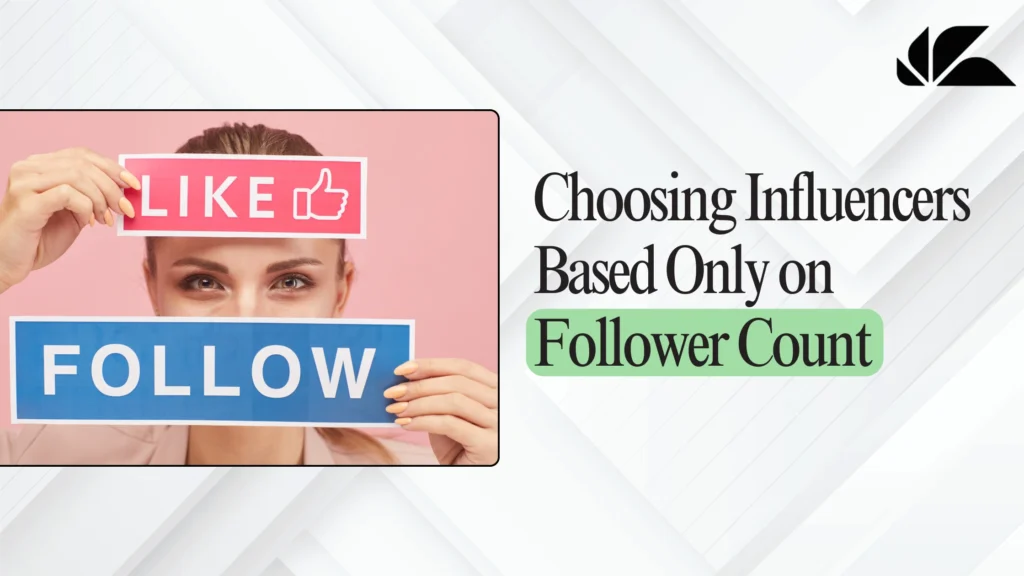
One of the most common reasons influencer marketing campaigns fail is the obsession with big numbers. Many brands assume that collaborating with influencers who have 500K or 1M followers will automatically lead to massive reach and conversions. But follower count is a vanity metric — it looks impressive, but often means very little in terms of performance.
Here’s the truth:
- Many large influencers have low engagement.
- Their audience may be broad, not niche-specific.
- Their followers may not be potential buyers.
- Some inflated numbers may even come from bots or inactive accounts.
As a result, brands end up paying high fees for poor ROI.
How to Fix It — Prioritize Relevance and Engagement Over Reach
Instead of focusing on the biggest influencers, shift your strategy toward:
- Micro-influencers (10K–100K followers): They offer higher trust and engagement.
- Niche-specific creators: Their audience is more aligned with specific interests.
- Authentic engagement: Look for meaningful comments, not generic ones.
- Audience demographics: Ensure their followers match your ideal customer profile.
A micro-influencer with 30K genuine followers can often deliver 3–4x better results than a celebrity-level creator with a million followers. The goal is not to impress — it’s to convert.
Reason 2 — No Clear Influencer Marketing Strategy
Many brands jump into influencer marketing without a plan. They reach out to influencers randomly, send a product, and hope for the best. But influencer marketing is not a “shoot and pray” activity — it’s a structured part of your marketing funnel
Campaigns fail when brands lack clarity on:
- Their target audience
- Their campaign goals
- Their messaging
- Their KPIs
- The type of influencers they need
- How to measure results
- How to repurpose content
Without a strategy, even the best influencers can’t deliver expected outcomes.
How to Fix It — Build a Clear, Actionable Strategy
Before launching any campaign, define:
- Your Objective
- Awareness
- Engagement
- Lead generation
- Sales
- User-generated content
- Awareness
- Your Target Audience
- Age
- Gender
- Location
- Interests
- Age
- Your Influencer Tier
- Nano (1K–10K)
- Micro (10K–100K)
- Macro (100K–1M)
- Celebrity (1M+)
- Nano (1K–10K)
- Your Messaging & CTA
- What problem does your product solve?
- What action should the viewer take?
- What problem does your product solve?
- Your Metrics
- Engagement rate
- Link clicks
- Coupon usage
- Sales
- Engagement rate
A structured plan ensures your campaign is purposeful, measurable, and scalable.
Reason 3 — Restricting Influencer Creativity
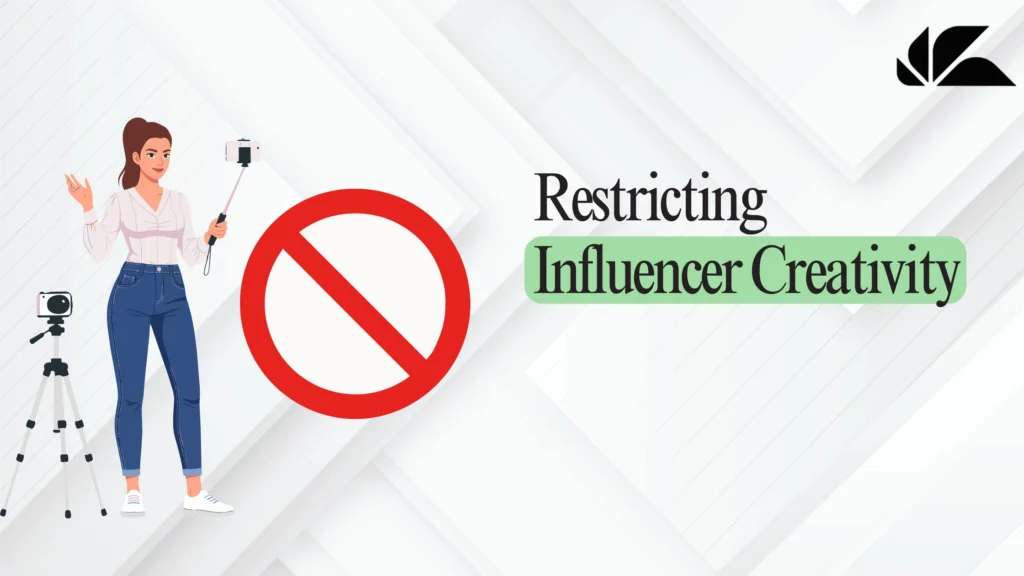
Many brands send strict, overly controlling briefs that leave no room for creativity. This is one of the biggest reasons campaigns fail. When influencers are forced into scripted lines or unnatural content styles, the end result feels like an obvious advertisement — and audiences ignore it.
Audiences follow influencers because they like their personality, tone, humor, aesthetics, or honesty. When content becomes overly branded, that trust disappears.
How to Fix It — Give Influencers Creative Freedom
Your influencer brief should NOT be a script. It should be a direction.
Provide:
- Key talking points
- Product benefits
- Brand tone guidelines
- Mandatory disclosures (#ad, #sponsored)
The CTA you want
But let the influencer express your message in their own voice. This maintains authenticity — the core of influencer marketing.
Creators know:
- What formats work best
- What their audience likes
- How to present a product naturally
When you let influencers be themselves, campaign results improve significantly.
Reason 4 — Not Tracking the Right Metrics
A major reason influencer marketing fails is that brands don’t measure success properly. They rely on vanity metrics like:
- Likes
- Views
- Comments
- Shares
While these metrics matter for awareness, they do not reflect true performance or business impact.
For example:
- A reel may get 100K views but drive only 5 website visits.
- A post may get 5K likes but zero conversions.
Without proper tracking, brands repeat the same mistakes and waste more budget.
How to Fix It — Track Meaningful KPIs That Matter
Depending on your objective, track metrics that reflect results:
If your goal is awareness:
- Reach
- Views
- Unique viewers
- Brand mentions
If your goal is engagement:
- Saves
- Shares
- Comment quality
- Click-through rate (CTR)
If your goal is sales:
- Coupon code redemptions
- Affiliate link clicks
- Add-to-cart actions
- Revenue generated
Use tools like:
- UTM links
- Discount codes
- Analytics dashboards
- Platform insights
This helps you understand exactly what worked — and what didn’t.
Reason 5 — One-Off Collaborations Instead of Long-Term Partnerships
Many brands collaborate with influencers only once and then expect magical results. But audiences rarely buy a product after seeing it one time. Trust is built through repeated exposure.
One-off promotions feel transactional and inauthentic. Audiences can instantly tell when an influencer is simply fulfilling a one-time paid deal.
How to Fix It — Build Long-Term Influencer Partnerships
Instead of one post, aim for:
- 3-month collaborations
- Monthly product usage videos
- Behind-the-scenes content
- Honest reviews
- Seasonal promotions
Long-term partnerships lead to:
- Higher trust
- Better performance
- Authentic storytelling
- Consistent brand recall
- Higher conversions
When influencers genuinely enjoy your product and share it regularly, their audience starts trusting your brand too.
Final Thoughts — Influencer Marketing Isn’t the Problem, the Approach Is:
Influencer marketing is one of the most powerful digital marketing tools available today. It can build trust, increase visibility, generate sales, and help your brand reach highly targeted audiences. The problem isn’t influencer marketing — it’s the lack of strategy behind it.
To make influencer marketing successful:
- Choose the right influencers
- Build a clear strategy
- Give creators creative freedom
- Track meaningful KPIs
- Focus on long-term partnerships
When these elements come together, influencer marketing becomes a long-term growth engine for your brand — not a failed experiment.
You Can Check Out Our Interesting Blog: Why Most Businesses Fail in Digital Marketing?